Everyone knows one bedtime horror story parents swear is “just a myth”. But in the Playing Gracie Darling, the ghost everyone keeps summoning isn’t hovering in the attic. She’s sitting right at the dinner table, wearing the family name.
This six-episode Netflix thriller hides a full-on psychological crime saga inside the shell of a seance-turned-mystery. It pretends to be a ghost story until the very last heartbeat, then rips the sheet off the spirit and shows you something much scarier, and that’s bloodlines soaked in denial.
And the Playing Gracie Darling ending? It’s not a jump scare, it’s a confession whispered by an entire family.
⚠️Spoiler Alert: The following breakdown dives deep into the key twists, family revelations, and final scenes of Playing Gracie Darling. If you haven’t watched the full series yet, this is your cue to step away; the ghosts of Dorseth Bay are about to spill every secret, and once you know them, there’s no going back.
A Legend Everyone Pretends to Believe
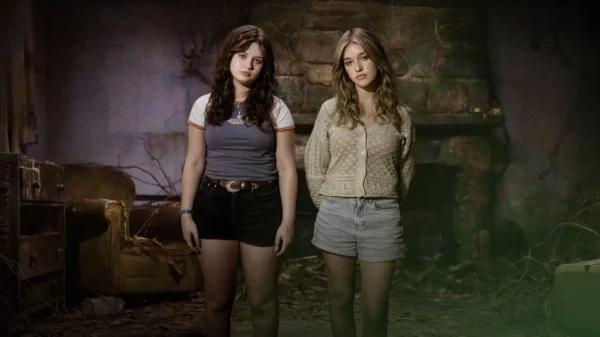
Welcome to the foggy coastal town of Dorseth Bay, where gulls squeal, secrets ferment, and teenagers play with death like it’s a board game. Their favorite pastime, you ask? A séance challenge they call Playing Gracie Darling, reenacting the disappearance of a local girl from the late 1990s.
Gracie vanishing during a storm still defines this place. Candlelit vigils, souvenir charms, even themed lattes (because nothing sells like tragedy), she’s become the town’s brand. Then it happens again.
Frankie Darling, Gracie’s niece, goes missing right after joining the ritual. Cue the cold sweats, police lights, and YouTubers calling Dorseth Bay “Australia’s Salem”. But the Playing Gracie Darling ending doesn’t belong to the kids filming TikToks; it belongs to the ghosts hidden in plain sight.
Enter Joni: The Therapist Who Should’ve Booked Herself In
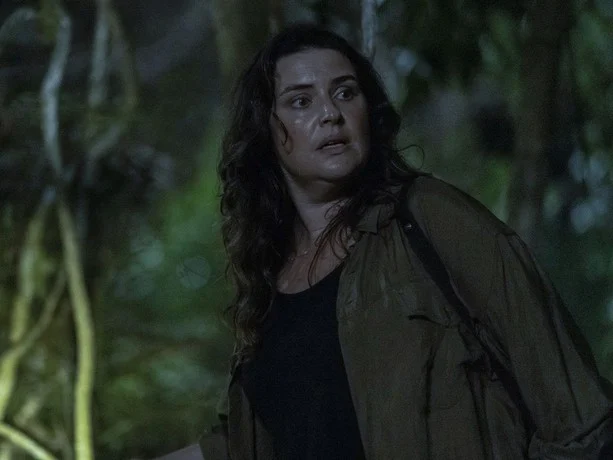
Joni Grey (Morgana O’Reilly) returns to town with more skepticism than luggage. She’s a psychologist, clean shoes, calm voice, hidden shake in her hand. The nostalgia is equal parts grief and indigestion.
She was Gracie’s best friend back then. She’s not here to find a ghost; she’s here to find closure. Except closure in Dorseth Bay is like cheap gin, it always comes with regret.
As Frankie’s disappearance unravels, Joni begins seeing a pale teenage girl named Ivy sitting outside her window. Same hoodie, same expression, showing up at night like an overdue thought. The trope screams ghost, but the ending of Playing Gracie Darling smirks, “You wish”.
The Darling Family: Perfectly Polished Pain
While the town hashtags tragedy, the Darling clan keeps polishing silver and pretending the screams from their past are seagulls.
There’s matriarch Moira, whose stare could stun cattle. Daughter Ruth, whose smile is made of denial. Son Peter, who spends long nights fixing boats and avoiding eye contact. And the unsettling patriarch James, who preaches virtue and patience but flinches whenever the sea wind blows.
If the Darlings are planning, they’d be watercolors hiding a bloodstain underneath. And oh boy, does the Playing Gracie Darling ending let that stain bleed through.
Also, read ‘Monster: The Ed Gein Story’ Ending Explained – When Horror Looks Back at Us
When the Ghost Story Cracks
Mid-season, the séance gimmick dissolves into something sharper. The chanting teens, the power cuts, the whispers, none of it is supernatural. It’s generational trauma acting out like a poltergeist. And then the truth starts to leak.
Joni finds a letter Gracie wrote before she vanished. It was cryptic, frightening, and full of references to a “storm inside the house”. And when Moira catches Joni reading them, you can practically hear decades of suppressed guilt between her teeth.
Frankie’s fake-haunting game suddenly feels too real.
The Big Reveal: Monsters Aren’t Born Under Beds
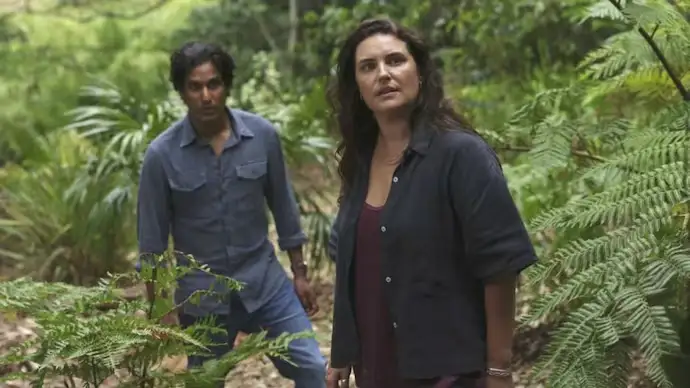
And here comes the bombshell: Gracie didn’t drown. She was murdered by her grandfather, James Darling, who was the family’s self-appointed moral compass.
Turns out Gracie discovered something that would’ve demolished the Darling reputation: her mother Ruth and uncle Peter were entangled in an incestuous relationship, and their daughter Frankie was the living proof of it. Gracie tried to confront the old man about protecting them, and he silenced her permanently.
No demons, no ghosts, just a patriarchal nightmare with paperwork. It’s the kind of twist that makes the Playing Gracie Darling ending so satisfying in its horror, because the truth hits harder than any apparition.
Frankie’s Vanishing Act
Frankie’s disappearance? She staged it after overhearing myths about her parentage and catching Moira burning documents from the church registry. She hides out with Billy, the town’s reclusive fisherman (because every good mystery needs a morally ambiguous local).
By recreating her aunt’s vanishing, Frankie intended to drag the truth into the daylight. It works, kind of. She survives, but her plan detonates the family like dynamite under china plates.
Moira’s Breaking Point

When Moira learns what James did to her daughter, denial gives way to fury. She finds him trimming roses in the greenhouse, muttering about drought and discipline. He tries to justify everything, “It was protection, you don’t understand.”
But she understands perfectly.
She strangles him with a garden hose. And for once, every viewer watching nods in guilty satisfaction.
The Playing Gracie Darling ending lets the camera linger on her breath, which is ragged and unstoppable. The sound of silence was finally punctured. The curse doesn’t live; it just changes hands.
The Therapist and the Ghost Who Wasn’t
Meanwhile, Joni pieces together the cruel symmetry: her haunting visions of Ivy are her own guilt manifesting. Ivy, a former patient who took her life after Joni dismissed her fears as “drama”. The guilt followed her home like stray static.
In the final scene, Joni admits the truth to her recorder: “I thought I was seeing ghosts. Turns out I was seeing the consequences.”
That line locks the coffin on the supernatural. The real horror lives in forgetting the people we’re supposed to help.
Also, read ‘Untamed’ Ending Explained: Grief, Guilt, and the Ghosts We Carry
The Closing Moment: The Ocean Always Returns What It Takes
The final images of Playing Gracie Darling are poetic cruelty. Dawn over the cliffs. Police cars snaking toward the manor. Moira, sitting by the window, hands shaking. Out at sea, fishermen spot something tangled in their nets, the long-rotted remnants of a rowboat. The same rowboat Gracie took during that storm.
Cue one final, brutal truth that the sea doesn’t keep secrets. It just waits for the right tide. And as the lullaby version of “You are my sunshine” plays, Joni whispers in voice-over, “In Dorseth Bay, ghosts are real, we just call them family.”
And that is how you end a ghost story with no ghosts.
Frequently Asked Questions
1. Who killed Gracie Darling?
Her grandfather, James Darling, drowned her after she confronted him about the family’s dark incest secret.
2. Why did Frankie fake her disappearance?
Frankie discovered she was Peter and Ruth’s daughter. Faking her kidnapping forced the truth into daylight.
3. Is Ivy a ghost in the Playing Gracie Darling ending?
No, Ivy represents Joni’s guilt over a suicide she failed to stop. The haunting is psychological, not paranormal.
4. What message does the series leave behind?
That every town, every family, hides its own séance. The Playing Gracie Darling ending insists that confronting what haunts you isn’t supernatural bravery, it’s human accountability.