Some romances build themselves on big speeches and dramatic promises. We Live in Time ending finds its meaning in the quiet moments that slip by while no one is looking. It’s a film built out of interruptions, missed moments, accidental beginnings. The kind of relationship that doesn’t unfold neatly, but sideways, through time jumps, small habits, and conversations that matter more in hindsight.
Directed with a light and a heavy heart, We Live in Time tracks the love between Tobias and Almut across years, illness, arguments, victories, and pauses. It’s not about how a relationship starts or ends. It’s about how it exists, in fragments, rituals, and things you don’t realize are precious until they’re gone.
And that brings us to the We Live In Time ending, which refuses melodrama and chooses something far more devastating; it chooses restraint.
⚠️ Spoiler Alert: From this point on, we discuss the full plot and the ending of We Live in Time. If you haven’t watched the film yet, now’s your cue to step away and come back later, with tissues.
A Love Story Told Out of Order, on Purpose
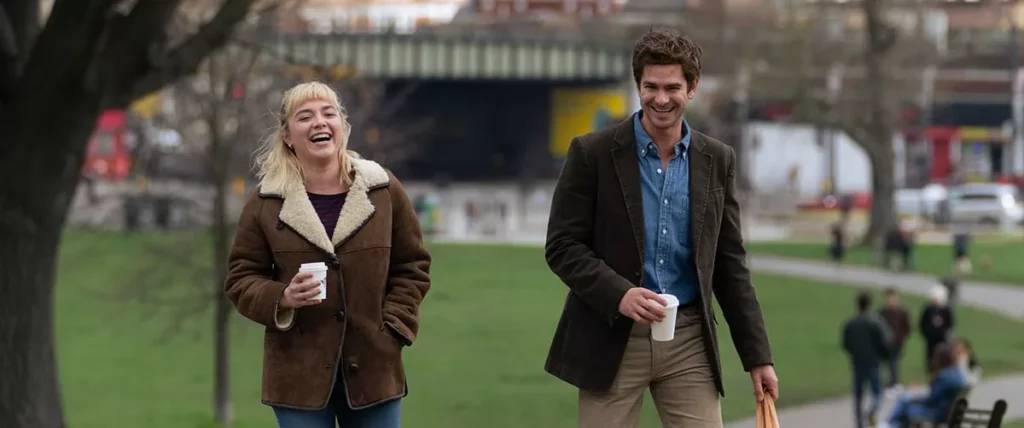
We Live in Time doesn’t believe in straight lines. The film jumps across timelines with intention. One moment, Tobias and Almut are strangers colliding in a messy, absurd meet-cute. Next, they’re married, they are arguing, then holding their daughter, and then bracing for bad news.
Almut is a fiercely driven chef. Tobias is quieter, steadier, still carrying the weight of a past marriage. Their relationship works not because they’re perfectly matched, but because they keep choosing each other, even when timing is cruel.
And timing is cruel here. Almut’s cancer diagnosis arrives like life usually does, inconveniently, unfairly, and right in the middle of everything else.
What Almut Chooses and Why It Matters
One of the most important decisions in the film isn’t romantic at all. It’s practical. When Almut’s cancer returns, she’s faced with options that might extend her life, but at the cost of what little time she has left, feeling like herself. She chooses differently.
She chooses presence over prolonging, quality over quantity. That choice isn’t framed as brave or tragic; it’s framed as hers. And that distinction matters. The film never asks us to agree with Almut. It only asks us to understand her.
The Ice Rink Goodbye, Explained
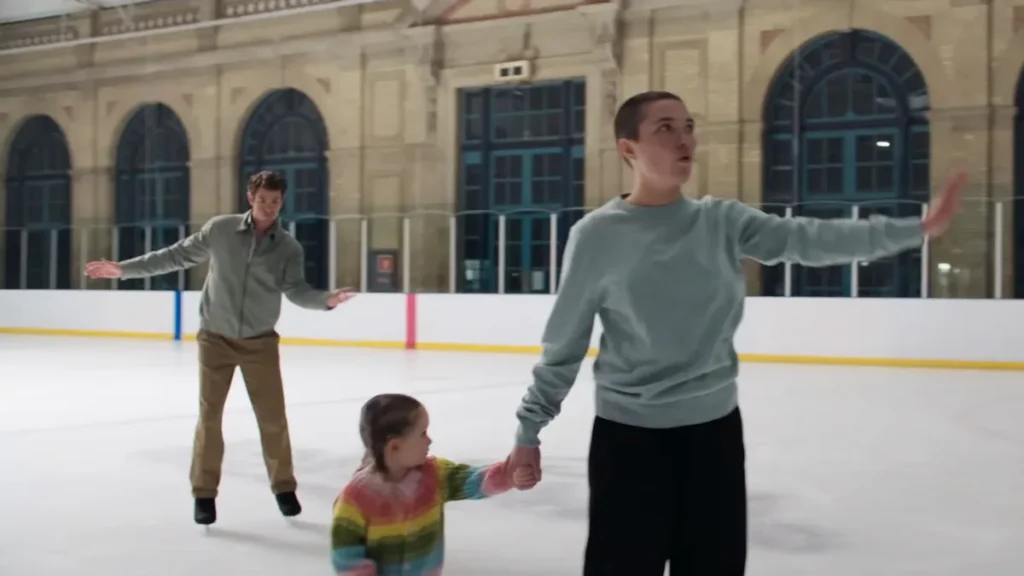
Let’s talk about the scene that defines the We Live in Time ending. Almut takes Tobias and their daughter, Ella, to an ice rink. It’s a place tied to her past, to grief she once avoided and now to acceptance. There’s no hospital bed, no dramatic final speech, no swelling score begging you to cry.
Instead, Almut skates. She smiles, waves, and moves farther away. Tobias and Ella watch her from the edge of the rink. That’s it. No confirmation of death, no final breath on screen. The film cuts away before grief can perform. And that restraint is exactly the point.
The Eggs Scene: Grief in Motion
After the rink, the film jumps forward. Tobias is older. Ella is older. Life has kept going, because it always does. And in the kitchen. Tobias teaches Ella how to crack eggs, Almut’s way. Not delicately, confidently, and with a mess if needed.
It’s a tiny moment, almost forgettable. Which is why it hurts so much. The ending of We Live in Time isn’t about loss. It’s about continuation. Almut isn’t present anymore, but she’s everywhere, in muscle memory, habits, and the way love teaches you how to live even after it leaves.
Also, read The Map That Leads to You Ending Explained: Love, Loss, and Choosing the Moment
Why the Ending Refuses Closure
Most films would give us a rush to reassure you. We Live in Time has no such intentions. It offers something rarer, the truth. There’s no neat “after”, no tidy arc where grief resolves itself. Tobias isn’t shown healing; he’s shown surviving. And that feels right, because you really cannot heal from that kind of pain so easily. The loss doesn’t end; it settles in. It becomes a part of your daily rhythm.
The ending understands that love doesn’t vanish when a person does. It shifts shape. It hides in habits, in quiet routines, in the muscle memory of being together. Almut is gone. But she’s also everywhere, inside the way Tobias cooks, the way he teaches Ella, the way time is handled more carefully now.
That’s why the final image lands so softly. Love doesn’t leave. It lingers.
What We Live in Time Ending Really Means
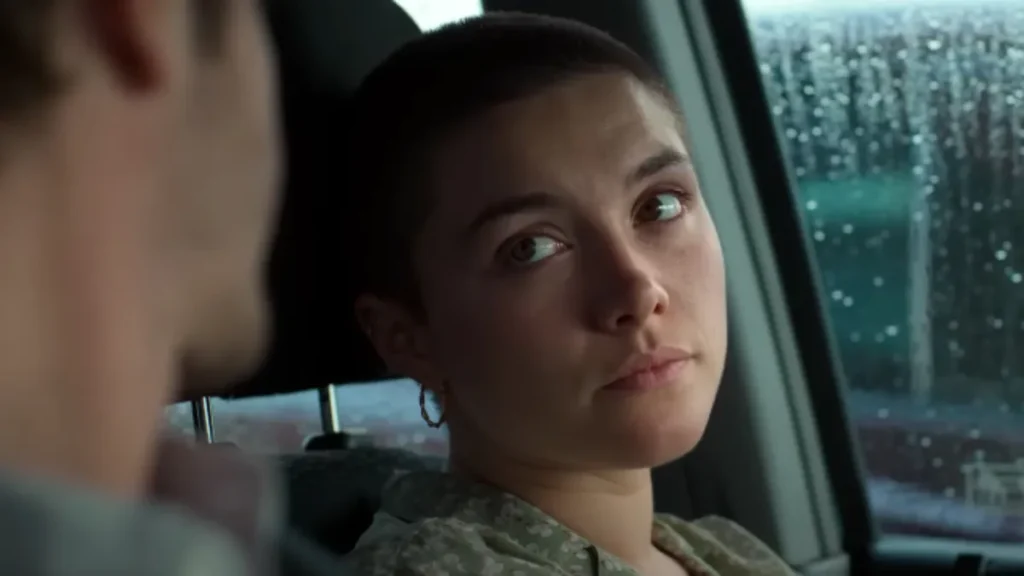
It tells us that time isn’t linear and love isn’t either. The film’s fractured structure mirrors the memory world. We don’t remember love in order. We remember it in flashes.
We also feel that the movie is trying to tell us that presence beats longevity. Almut’s choice isn’t about giving up. It’s about refusing to let time be hollow.
Another thing is that legacy lives in ordinary things. Not in awards, not achievements, but rituals passed on quietly, without any ceremony.
We Live in Time ending doesn’t ask you to feel inspired; it simply asks you to notice.
Final Thoughts on We Live in Time Ending
The ending of We Live in Time works because it understands that most devastating goodbyes aren’t loud. It doesn’t try to comfort you with closure. It sits beside you, quiet, patient, and honest. The ending understands that love isn’t proven by how loudly we grieve, but by how gently we keep living. Almut doesn’t vanish in a dramatic scene. She dissolves into moments, into cracked eggs, shared glances, familiar routines. And that’s what makes it hurt and heal.
The film reminds us that time doesn’t stop for love. It keeps moving. What we choose to do inside it is what lasts. Almut chooses presence over prolonging pain. Tobias chooses memory over bitterness. And together, even in absence, they choose meaning.
By the final frame, you wouldn’t feel devastated or broken. You feel tender. As if the film has trusted you with something fragile and asked you to carry it forward, one small ritual at a time.
- All I See is You Ending Explained: When Love Turns Into a Cage
- Eternal Sunshine of a Spotless Mind Ending Explained: Love, Memory, and the Courage to Say “Okay”
- All the Bright Places Ending Explained: Why the Film’s Final Moments Stay With You
Frequently Asked Questions
1. Does Almut die at the end of We Live in Time?
The film never shows Almut’s death directly. Instead, it strongly implies it through the ice rink farewell and the quiet aftermath. The absence is intentional; the ending focuses on how she is remembered, not how she dies.
2. What does the egg-cracking scene mean in the ending?
The egg-cracking ritual is Almut’s legacy. It shows how love survives through habits, routines, and small shared moments. Tobias teaching Ella this ritual proves Almut still exists in their everyday life.
3. Why is the ending of We Live in Time non-linear and understated?
The film mirrors how grief and memory work. Life doesn’t end with a single dramatic moment; it fades into fragments. The ending reflects that truth: time keeps moving, even when someone is gone.