Some romances make you smile. Tere Ishk Mein makes you uncomfortable at first and then quietly starts to break you.
Aanand L. Rai’s film looks like a love story when it begins. With a reunion between two people who once meant everything to each other. But the longer you stay, the clearer it becomes. It tells us that this is not a film about love working out. It’s a film about love refusing to end.
Because Shankar doesn’t forget. Mukti never truly escapes. And destiny keeps pulling them back into the same emotional orbit. By the time the credits roll, the discussion around the Tere Ishk Mein ending is no longer about whether they loved each other or not; it’s about what love turns into when it outlives the people who felt it.
⚠️ Spoiler Alert: The following sections openly discuss the final act and major story revelations of Tere Ishk Mein ending. If you haven’t watched the film, this is your gentle warning to pause here.
First, Let’s Remember How It All Started
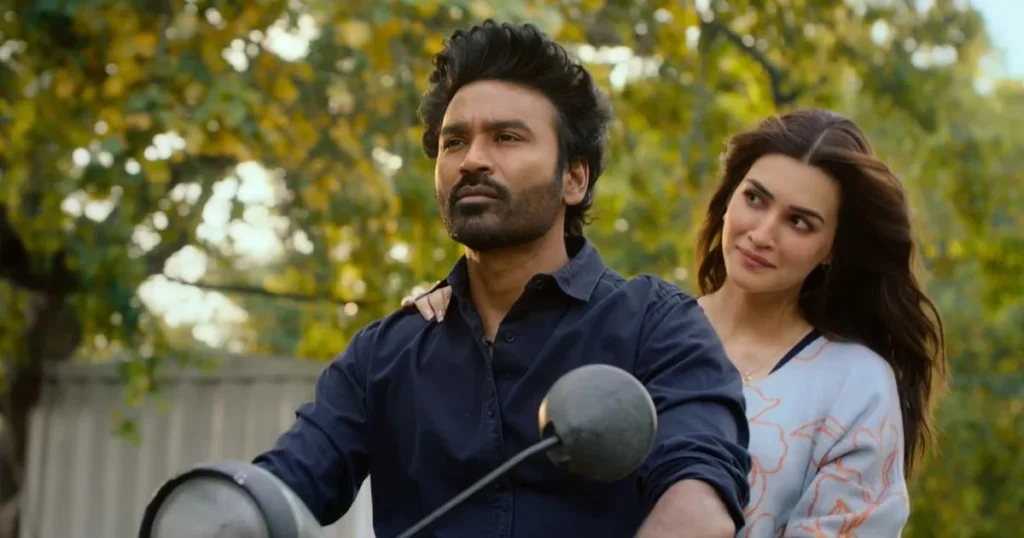
Seven years before the present timeline, Shankar Gurukkal and Mukti Beniwal were college lovers. Not the soft, poetic kind. Their relationship burned bright and fast. It was intense, emotional, and unstable.
Shankar loved Mukti with frightening sincerity. Mukti loved him, but she also feared him. Mukti’s father gave an ultimatum to Shankar that he could ask for Mukti’s hand only if he cleared the prestigious IAS exam. And Shankar takes Mukti’s promise to wait for him until he clears the exam and comes back to her.
After Shankar prepared and cleared his exam, he went straight to Mukti’s house, where he saw that Mukti was getting engaged. In a moment that defines his character forever, he set her house on fire using Molotov cocktails. There’s no dramatic villain speech. Just a boy whose love had nowhere to go. He was jailed, and after his release, he lost his father in an accident.
That loss changed him.
Shankar rebuilt himself. He became an Air Force pilot, where discipline replaced rage. But he never emotionally left Mukti.
Meanwhile, Mukti moved forward too, at least outwardly. She became a military psychologist, married a Navy officer, Jasjeet, and tried to build a stable life. But peace never stayed long. Her health declined, and alcoholism slowly destroyed her liver.
Years later, fate reunites them at a Leh Air Force base. And from that moment, the road toward the Tere Ishk Mein ending begins.
When Old Love Walks Back Into The Room
Their reunion is not romantic. It is awkward, fragile, and heavy with history. Mukti is now pregnant and terminally ill, while Shankar is stable but emotionally frozen in time.
She is assigned to psychologically evaluate him after a reckless flying stunt. What follows is not therapy; it is an unfinished conversation. They don’t speak about love directly. Instead, they circle it with memories, guilt, resentment, and tenderness. Then Mukti makes a request.
She asks Shankar to promise that if she dies, he will raise her child so the baby never grows up alone. This moment is crucial to understanding the ending of Tere Ishk Mein. Shankar isn’t asked to be her lover again. He’s asked to be her future.
And he agrees instantly. Not because it is practical. Because he never stopped loving her.
The Wedding Memory That Explains Everything
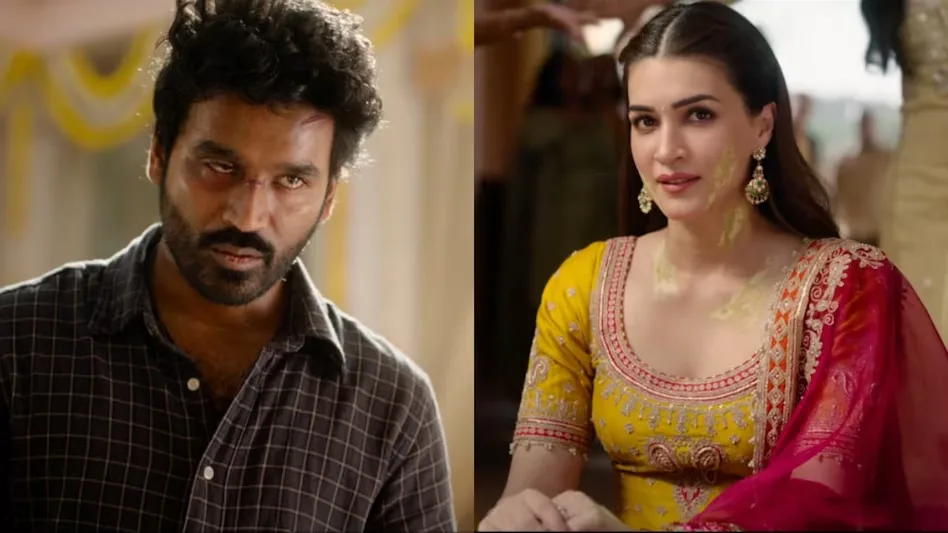
One of the most haunting scenes in the film is a flashback to Mukti’s wedding. Shankar crashes it, pours Ganga water over her, and prays she has a son who loves with the same intensity he does.
At first, it feels obsessive. By the end, it feels prophetic.
This scene becomes the emotional backbone of the Tere Ishk Mein ending; the story isn’t about Shankar getting Mukti. It’s about his love transforming into something larger than possession.
War Arrives and So Does the Choice
While Mukti battles her illness, a military conflict escalates. Jasjeet’s naval ship is attacked. Shankar is deployed for a combat mission.
Here, the film quietly changes genres. The romance stops being the center. It suddenly becomes about responsibility.
During the aerial operation, Shankar faces a moment of decision. He can eject and survive. Instead, he steers his damaged aircraft directly into the enemy vessel, destroying it and saving the fleet.
He knowingly sacrifices himself. And this is the emotional core of the Tere Ishk Mein ending.
The man who once destroyed out of love now protects because of it. His love finally becomes selfless.
Mukti’s Fate: The Other Half of the Tragedy

At the same time, Mukti goes into labor. Her liver condition worsens during childbirth. She dies while giving birth to her son. Both lovers die within the same narrative moment, separated by distance but connected by purpose.
The film never shows them reunited in an afterlife. It doesn’t need to. Their stories finally resolve in action rather than confession.
This is why the ending of Tere Ishk Mein feels haunting instead of simply sad. They never got a second chance together. Instead, they became part of each other’s redemption.
The Irony That Completes The Story
Jasjeet survives. He raises the child.
And this is where the film delivers its quietest and most powerful idea. Years earlier, Shankar prayed Mukti would have a son who loved just like him.
That wish comes true, but not in the way he imagined. The child is raised by Jasjeet, a man capable of steady, patient love. The boy did not grow up orphaned, which was Shankar’s greatest fear. His sacrifice ensured Mukti’s child would always have a father.
So in a strange way, Shankar both loses and fulfills everything. This irony is the true meaning behind theTere Ishk Mein ending.
He didn’t get her. He didn’t raise the child. But he ensured their lives would be safe and complete.
For the first time, his love created life instead of chaos.
Did Shankar Win or Lose?
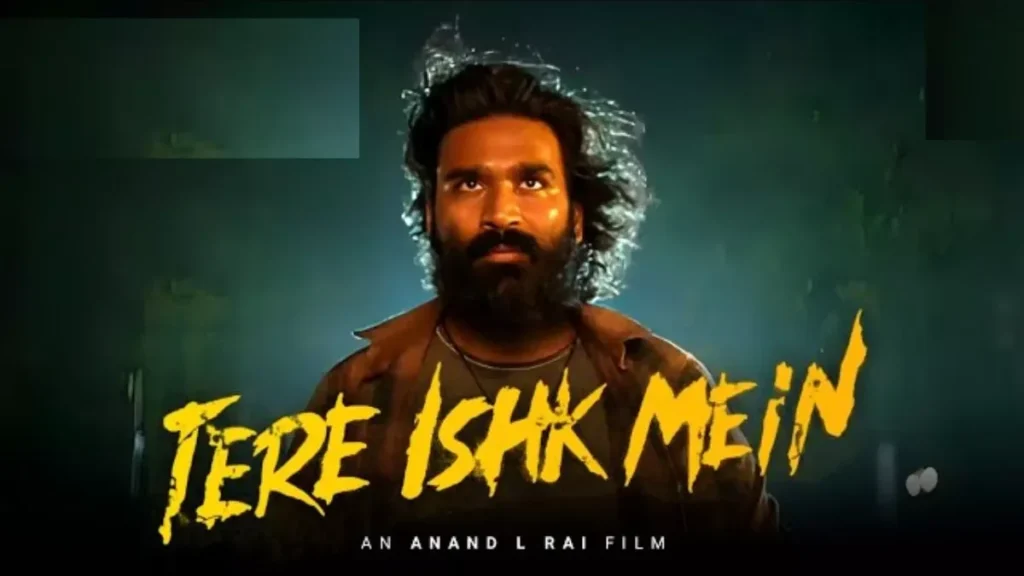
This is the question the film leaves you with. If winning means ending up with the person you love, he lost completely. If winning means becoming the best version of yourself because of love, he finally won.
The Tere Ishk Mein ending suggests love’s purpose isn’t possession; it’s a transformation.
Final Thoughts on Tere Ishk Mein Ending
Bollywood has given us tragic romances before, but this one feels unsettling. Shankar is not a typical romantic hero. For most of the film, he’s difficult to defend. His love is uncomfortable. You almost want Mukti to stay away from him.
And yet, by the end, you understand him.
The movie quietly asks: What if love doesn’t make you happy, but makes you better?
The boy who once burned a house ended up saving lives. That arc makes the Tere Ishk Mein ending feel earned rather than dramatic.
It’s not a fairy-tale romance. It’s a story about emotional growth written through sacrifice.
More Endings Worth Decoding
- Taskaree Ending Explained: The Gold Was Never The Real Target
- Sarvam Maya Ending Explained: Love, Ghosts, and the One Goodbye That Changes Everything
- Eko Ending Explained: What was the Jungle Hiding?
Frequently Asked Questions
1. Why did Shankar sacrifice himself?
He chooses the mission knowing he won’t survive. His act ensures Mukti’s husband lives and her child has a father. It is his final expression of love without expectation.
2. Does Mukti know Shankar still loves her?
Yes. Their conversations make it clear she understands his feelings. Her request about raising the child shows she trusts him deeply, even if she cannot return to him.
3. Is the ending meant to be tragic or hopeful?
Both. The characters die, but their actions resolve their emotional conflicts. The story ends in loss, yet also in peace.
4. What is the message of the film?
Tere Ishk Mein ending suggests love is not about ending up together. Sometimes it is about helping the other person live a complete life, even if you are not part of it.