If you thought the Fisherman had been laid to rest, think again. The 2025 legacy sequel I Know What You Did Last Summer drags the franchise’s guilty conscience right back into the light, literally, via a lighthouse showdown you won’t forget. The film is part nostalgic throwback, part sharp reboot, and all about confronting the ghosts of both the past and the group chat.
The story dives deep into generational guilt, viral secrecy, and that classic slasher question: how long can you bury a secret before it claws its way back up? Without giving too much away just yet, this is a sequel that plays with legacy and obsession. I Know What You Did Last Summer ending delivers both closure and a brand new kind of terror, one that buzzes, pings, and vibrates in your hand.
⚠️Spoiler Alert: Okay, this is an official warning. Past this point, it’s raining spoilers, fake-outs, and Fisherman references galore. Proceed if you’re brave, nostalgic, or just love a messy slasher with a moral.
The Setup: The Past Hooks Back
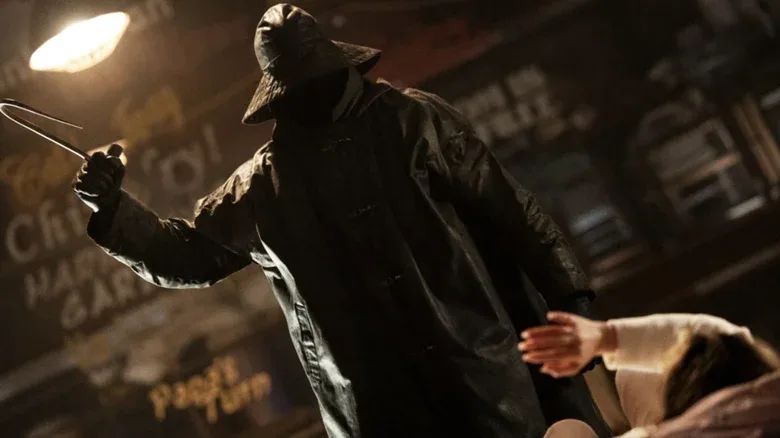
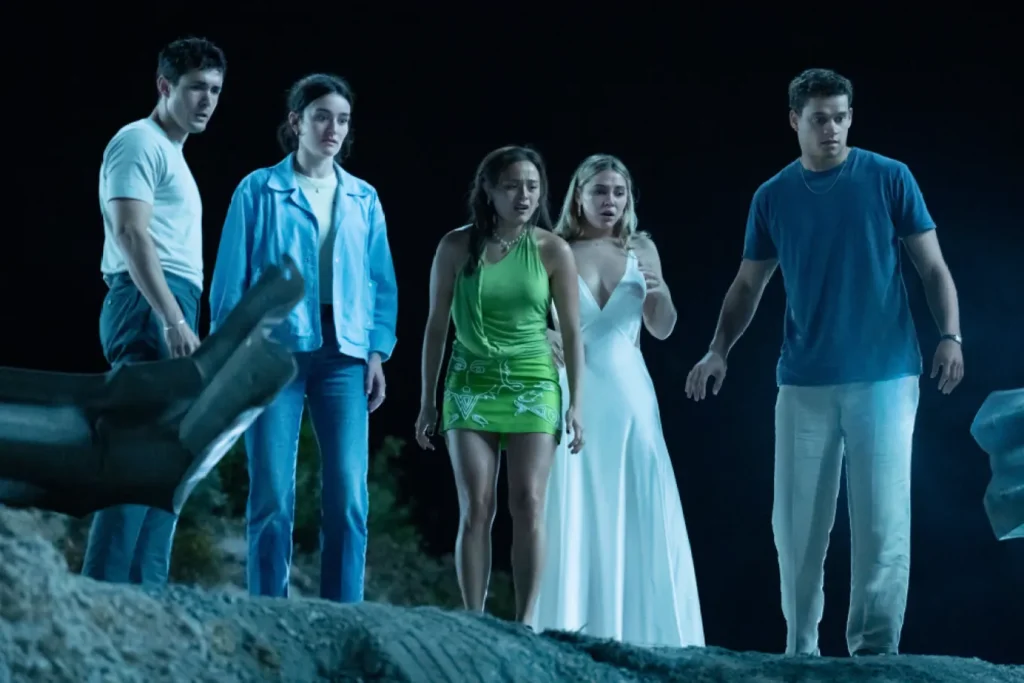
I know What You Did Last Summer ending doesn’t just resurrect Ben Willis’s legend, it rewrites it. We’re dropped into a new generation of guilty teens (Madelyn Cline, Chase Sui Wonders, etc), who, like their late-90s predecessors, are hiding a deadly accident. One year after a hit-and-run cover-up, the bodies start dropping, the notes start arriving, and someone, or something, knows what they did.
But this time, it’s personal. The killer isn’t the Fisherman. It’s someone using the Fisherman myth to mask their own revenge. And that reveal turns the movie’s final act into a bloody psychological play about guilt, legacy, and the lies that never die.
The Killer Unmasked: The Hook Has a New Hand
By the time we reach the ending of I Know What You Did Last Summer, suspicion has bounced between everyone: the boyfriend, the cop, the quiet best friend, maybe even a resurrected Ben Willis. But the truth? It’s sharper than the hook.
The killer is revealed to be Sam (Sarah Pidgeon), the quiet, awkward outsider nobody suspected. Her motive cuts deep: the victim of the teens’ car crash, “the accident” everyone covered up, was her older sibling. When Sam discovered the truth, she didn’t just want revenge. She wanted the story to echo.
That’s why she resurrected the Fisherman identity. She knew the cultural weight of it, the memes, the legends, the true crime documentaries. Society already worshipped this myth. All she had to do was step into it.
The hook she wields isn’t supernatural; it’s symbolic. Sam turns the Fisherman into a performance, one that the media and audience will devour again.
The Return of the Legends: Julie and Ray Come Home
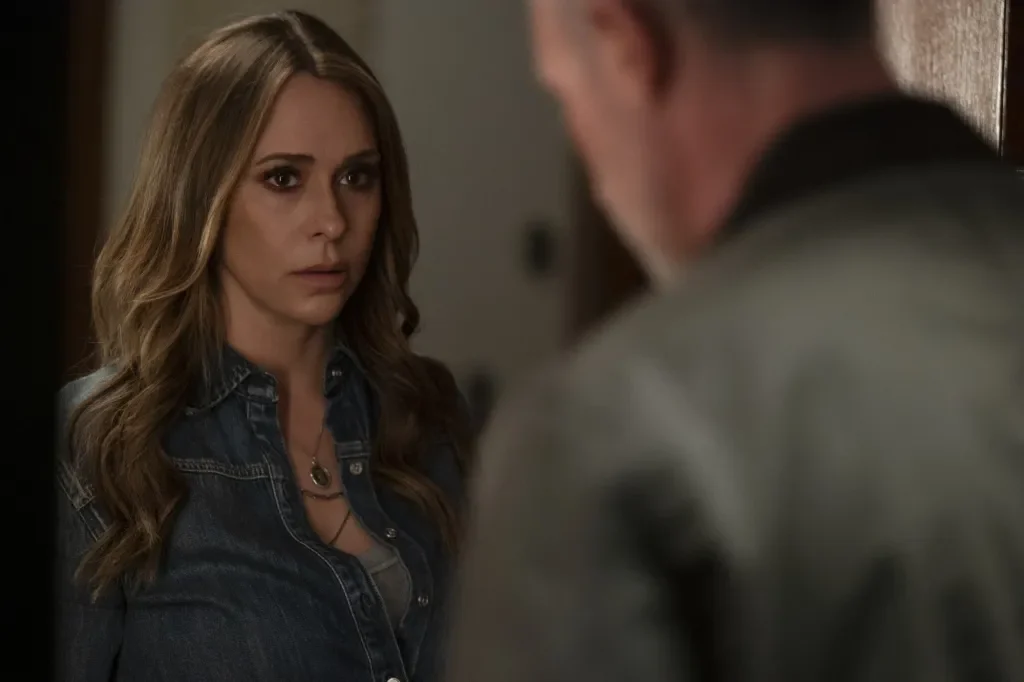
I Know What You Did Last Summer ending would feel incomplete without the OG survivors. Jennifer Love Hewitt’s Julie James and Freddie Prinze Jr.’s Ray Bronson return like seasoned ghostbusters for trauma. They’ve lived quietly, hiding under assumed names, forever looking over their shoulders for a hook in the dark.
When the killings start again, Julie can’t ignore the signs. She’s spent nearly 30 years waiting for the next wave of guilt to find her. And it finally does.
Julie tracks the surviving new teens to an old lighthouse, the perfect blend of poetic symbolism and horror geography. She arrives just as Sam prepares to kill the final girl. Julie knows this pattern, this rhythm of fear, and for once, she decides not to run.
Then comes Ray, storm-beaten, wary, but loyal to the end. He arrives by boat, like a fisherman returning from hell, just in time to distract Sam. The pair reunite not just as lovers, but as living reminders of what happens when guilt festers too long.
Also, read Hell House LLC: Lineage Ending Explained – Haunting That Never Ends!
The Lighthouse Showdown: Hooks, Storms, and Confessions
I Know What You Did Last Summer ending turns the final act into a symbolic exorcism. As lightning flashes, the lighthouse beams cut across the room, each flash revealing someone else’s guilt.
Julie confronts Sam, pleading that revenge won’t heal the wound. “You think killing makes it right?” she asks. Sam’s trembling. “It’s not about right,” she spits back. “It’s about balance.”
But here’s the twist: it’s Julie and Ray’s guilt that ultimately saves the day. They confess, not to murder, but to survive by silence. They tell Sam what carrying that weight does, how it eats you alive. The confrontation becomes less about killing and more about reckoning.
Sam falters. Just for a second, it’s enough. Ray lunges. The hook falls. Sam tumbles over the railing, crashing onto the jagged rocks below. The sea reclaims both her and the hook. The Fisherman’s legacy finally, maybe, ends.
After the Storm: When Guilt Finally Settles
But it’s the ending of I Know What You Did Last Summer. So, of course, peace doesn’t last.
The final survivor sits alone that night, the hospital room dark except for her phone’s glow. A notification buzzes. She opens it. One message. No sender.
“I Still Know About Sam.”
Her breath catches. The phone pings again. The sound is soft, rhythmic, almost like the clink of a hook dragging on pavement.
And then, cut to black.
It’s the perfect modern update, where the monster isn’t lurking outside your window anymore. It’s in your DMs. I Know What You Did Last Summer ending trades the Fisherman’s hook for the social media notification chime, a sound we hear hundreds of times a day. Now, it’s the new heartbeat of horror.
Why the Ending Works: The Past, the Post, and the Price of Secrets
Here’s what makes I Know What You Did Last Summer ending work: it finally understands that guilt evolves.
In the 90s, secrets were buried in the dark. In 2025, the secrets trend. Sam’s entire plot hinged on that; she didn’t need to haunt people physically; she needed to make their guilt go viral. The ending reframes the Fisherman’s curse as something digital and inescapable.
Julie and Ray represent analog fear, the kind you could outrun. The new generation represents digital fear, the kind that follows you home through screens and search histories.
And the message? Whether it’s a hook or a hashtag, guilt always finds you. That’s what the ending of I Know What You Did Last Summer gets right. It’s both slasher revival and social commentary, reminding us that horror doesn’t need new monsters, just new mirrors.
Also, read Don’t Log Off Ending Explained: When the Call Turns Into a Digital Nightmare
Conclusion: Long Live the Fisherman (and the Fear)
So what does it all mean? I Know What You Did Last Summer ending gives the series its rarest gift, and that’s perspective. It closes the story of Julie and Ray with dignity, while rebooting the franchise for an age where oversharing is the new confession, and exposure is the new death.
The hook might be gone, but the message stays sharp: no secret stays buried forever, especially when the whole world has Wi-Fi.
As the credits roll and that familiar notification sound echoes, one thing becomes clear: you can delete your messages, but you really delete your guilt.
Frequently Asked Questions
1. Who is the killer in the new I Know What You Did Last Summer?
The killer is Sam, whose sibling died in a car crash. She adopts the Fisherman identity to seek revenge and manipulate the mythos of Ben Willis.
2. Do Julie and Ray die in the I Know What You Did Last Summer ending?
No, they survive, marking their first true emotional closure since the original events. They leave town together, finally at peace.
3. What does the final text “I Still Know About Sam” mean?
It teases that someone else witnessed the murders or is ready to weaponize the truth online. The threat has evolved into digital territory.
4. Is there going to be a sequel?
While not confirmed, the I Know What You Did Last Summer ending clearly leaves room for one. The curse isn’t dead, it’s just uploaded.