If you’ve stumbled across The Chair on YouTube, you probably walked away with one big thought: “Wait… what did I just watch?” You’re not alone. This short film has racked up millions of views and an equally busy comments section filled with theories, debates and a lot of head scratching. And honestly? That’s exactly why it works.
The Chair ending explanation has become a mini-phenomenon online, with viewers split between two major interpretations. Is it a heartbreaking allegory about memory and illness? Or is it a creepy little horror gem about cursed furniture and demonic forces? Let’s dive in!
First Things First: What is The Chair?
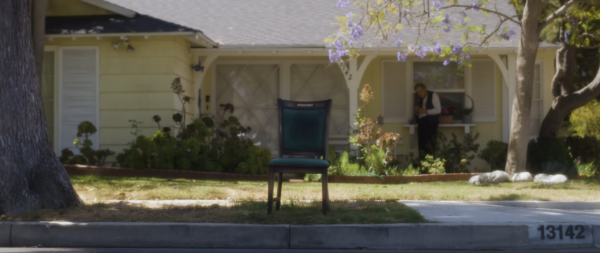
For those who are not sure about this or haven’t really hit play on this, The Chair is a short film on YouTube that leans into psychological unease rather than jump scares. Reese, the main character is a young man, is taken on a disorienting journey through fragmented moments that all revolve around a mysterious chair.
The bizarre atmosphere is created by unsettling characters, like the mysterious Dead Man Franklin and symbolic elements such as wilted roses, time that seems to jump around and fractured relationships all of which make the entire film feel like a walking nightmare.
By the time you reach the ending of The Chair, you’re left questioning everything you’ve seen. Was it supernatural horror, psychological decline, or both?
Why is The Chair Ending So Confusing?
Because it’s supposed to be like that. The Chair ending refuses to give easy answers or clear out things to you, instead they scatter breadcrumbs and point us all in different directions:
- An allegory for Alzheimer’s disease.
- A demonic or haunted chair story.
Also, read The Backstroke Ending Explained: When Skinny Dips Turn Sinister
Interpretation One: Alzheimer’s Allegory
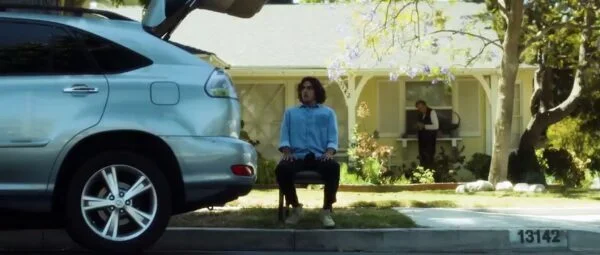
One of the strongest fan theories is that The Chair isn’t about demons at all, it’s just about the memory loss. Reese could represent a younger version of the protagonist, while the fractured storytelling, sudden time shifts and altered relationships mirror the disorientation of Alzheimer’s.
The chair itself becomes a symbol of instability: a mind that can no longer support itself. The roses, once full of life but now dead and inverted, could reflect memories that decay and warp. Even the unsettling characters may be distorted echoes of people from the past, haunting fragments that refuse to fade.
Under this lens, The Chair ending becomes less about horror and more about heartbreak, watching a person slowly disappear into their own mind.
Interpretation Two: The Demonic or Haunted Chair
Of course, this is still a horror angle to it, and plenty of viewers are convinced that the ending of The Chair short movie leans into something supernatural. Here, the chair is no ordinary object. It’s cursed, a vessel for something very dark.
Dead Man Franklin functions as a “keeper” of sorts, someone bound to the chair’s power but not free from it. The time skips, the distorted behavior of Reese’s girlfriend, even the upside-down roses, can all be read as signs of demonic influence. In this version, Reese isn’t hallucinating, he’s being haunted.
Rewatching the short through this perspective makes the ending far scarier, because every odd detail suddenly feels like evidence of a possession or curse.
Why the Open Ending Works
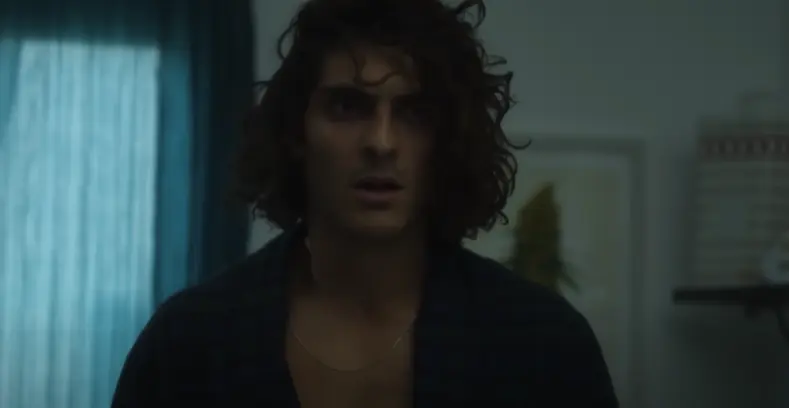
What makes The Chair ending so compelling is its deliberate ambiguity. It’s a choose-your-own-adventure for the mind, offering two compelling narratives. Either a man is suffering a mental breakdown or is he just a victim of a genius supernatural horror.
This open-ended approach is brilliant, giving the short film a high degree of re-watch value as you can constantly re-evaluate the evidence, you might notice a new detail that changes your perspective.
Final Thoughts: What Does The Chair Mean?
Here’s the beauty of this YouTube short movie. It means whatever meaning you bring to it. If you’ve seen the toll of memory loss firsthand, the Alzheimer’s reading hits hard. If you love cursed objects and folklore-tinged scares, the haunted chair theory keeps you up at night. Both can be true and the film never forces you to settle on one.
So, when someone asks you, “What’s The Chair ending about?” you can grin and say, “That depends, are you more afraid of losing your mind, or of cursed furniture?”
Also, read Heretic Ending Explained: Faith, Fear and One Seriously Twisted Garden
Should You Watch The Chair on YouTube?
Absolutely. Even if you finish it confused, even if you’re frustrated by the lack of closure, it’s worth your time. The Chair proves that a short film doesn’t need a big budget to make a big impact, it just needs the courage to leave you thinking.
And who knows? On your second (or third) viewing, you may unlock a whole new layer of meaning.
FAQs
1. What is The Chair short horror film about?
The Chair is a psychological horror short film on YouTube that follows Reese as he experiences surreal events centered around a mysterious chair. Its fragmented storytelling, eerie characters, and haunting symbolism leave the ending deliberately ambiguous.
2. What do the upside-down roses in The Chair mean?
The roses can be read two ways: in the Alzheimer’s allegory, they symbolize fading memories and loss. In the haunted-chair interpretation, their inverted form echoes satanic or occult imagery. Either way, they add to the unsettling mood.
3. Is The Chair a true story?
No. The Chair is a work of fiction, but its allegorical interpretation. Viewing the story as a metaphor for Alzheimer’s draws on real-life struggles with memory, identity, and decline, which makes it feel deeply personal.
4. Who is Dead Man Franklin in The Chair?
Dead Man Franklin is a mysterious, unsettling figure who may represent either the keeper of the cursed chair (in the supernatural theory) or a distorted memory from Reese’s fractured mind (in the Alzheimer’s theory).