Crime thrillers often open with sirens, disputes, and pursuits. Taskaree opens with a stillness, a glance. The kind exchanged silently across an airport corridor, where nothing looks suspicious and yet everything feels arranged. Suitcases move, passengers complain, scanners beep, and customs officers stamp passports with bored efficiency.
But Superintendent Arjun Meena notices patterns others miss. Certain travelers never panic. Certain bags are never checked. Certain officials never ask questions. The show slowly makes you realize something unsettling: smuggling is not happening around the system; it is happening inside it.
What begins as routine airport vigilance turns into a web of bribes by the time we reach Taskaree ending. There are coded deliveries and silent approvals. And as Arjun digs deeper, the investigation stops being about gold. It becomes about trust and who has already sold it.
⚠️Spoiler Alert: This article contains full spoilers for Taskaree: The Smuggler’s Web, including the identity of the mole, Ravi’s fate, the warehouse confrontation, and the final airport raid. In case you haven’t finished the series, pause here as the Taskaree ending works best when the betrayal hits you unprepared.
Before the Betrayal: The Story So Far
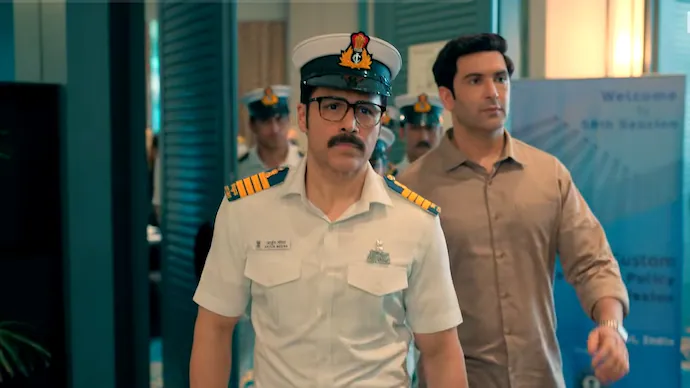
Arjun Meena is a customs superintendent known for being incorruptible, which, in this world, makes him popular. His job is simple in theory: to stop illegal imports. In practice, it means confronting an ecosystem that survives by looking the other way.
At Mumbai airport, he notices a recurring pattern of unusually confident couriers. They are calm, cooperative, and almost eager to pass inspection. That behaviour alone alarms him.
He forms a small team including Ravi Gurjar and Mitali Sharma. They begin tracking a suspected smuggling syndicate led by a mysterious operator called Bade Choudhary, a name whispered more than spoken.
The early episodes show classic smuggling tactics with hidden compartments, bribed officials, and coded signals. But Arjun senses something bigger. The shipments are too frequent and too smooth. It’s almost obvious that someone inside the department is clearing the path for them.
The investigation intensifies, and the consequences arrive quickly. Ravi, who is Arjun’s closest ally, is murdered. His death changes the tone of the show. The operation is no longer a professional case.
It becomes personal.
The Smuggling Trick: Not Suitcases, But Systems
One of the cleverest aspects of the ending of Taskaree is the reveal that the smuggling network does not rely on risky couriers alone. Instead, it uses institutional loopholes.
Gold is moved using diplomatic shipments, ceremonial furniture, and religious consignments, items that are unlikely to face scrutiny. The criminals exploit respect and bureaucracy simultaneously. Officers hesitate to inspect objects linked to diplomatic or religious channels.
The system protects against crime unintentionally. Or so it seems. Arjun begins to suspect someone is not merely ignoring the operation; someone is guiding it.
The Twist: The Enemy was Already Inside
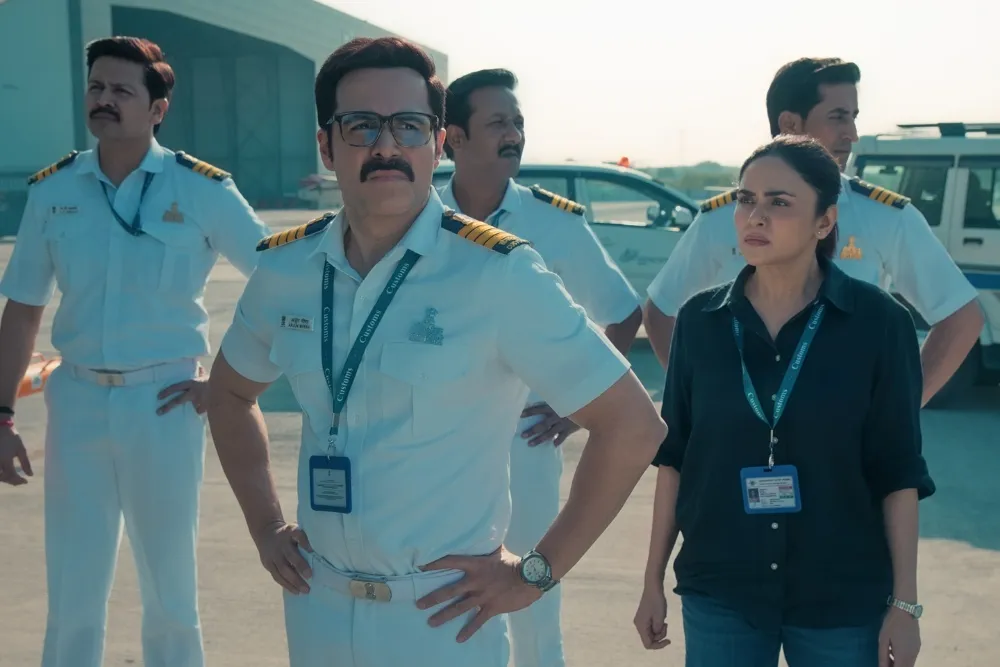
The emotional turning point of the Taskaree ending is the mole reveal.
The traitor is Prakash Kumar, a very trusted colleague. He is not an obvious villain. He does not threaten anyone openly. Instead, he is efficient, helpful, and always present during key operations. That is precisely why Arjun never suspects him early on.
Prakash feeds information directly to Bade Choudhary. Every raid failure, every missed interception, every cleared shipment traces back to him.
The show reframes everything instantly. Scenes that once looked like operational mistakes become deliberate sabotage. The ending of Taskaree reveals that Arjun was never fighting just the smugglers; he was fighting a protected network that was embedded within enforcement.
The Warehouse Confrontation
Arjun eventually connects the clues and tracks a major shipment to a warehouse outside the airport. Expecting gold in containers, he instead finds empty cargo. For a moment, it looks like another failure. Then he realizes that the real shipment never left the airport.
Prakash misdirected the team intentionally, ensuring enforcement resources were diverted while the true delivery passed undetected. The gold was hidden inside ceremonial furniture shipments labeled as diplomatic cargo.
This moment of Taskaree ending shows us that smuggling does not succeed through speed or secrecy alone. It succeeds through misdirection.
Arjun confronts Prakash. The confrontation is not dramatic shouting; it is quiet recognition. Prakash admits to corruption calmly. He claims the system itself is broken, and survival requires compromise.
Arjun refuses the logic.
Why Ravi’s Death Matters

Ravi’s murder is the emotional engine of Taskaree ending. Without it, Arjun might have accepted administrative explanations. His death forces Arjun to stop trusting procedures and start questioning people.
The series suggests corruption survives because honest officers remain cautious. Ravi’s death removes caution from Arjun. He begins acting on instinct and not protocol.
Justice arrives not through systems but through persistence.
What the Taskaree Ending Actually Means
The Taskaree ending is not just about gold smuggling. Gold is only a visible crime. The real subject is institutional trust.
Smuggling networks thrive when rules exist, but accountability doesn’t. Bade Choudhary represents criminal greed, but Prakash represents something more dangerous, normalization.
He does not see himself as evil. He sees himself as someone practical. The show argues that corruption is rarely loud. It is quiet, reasonable, and incremental. Arjun wins not by being smarter than criminals but by refusing to become comfortable with compromise.
Final Thoughts on the Ending of Taskaree
The closing moments of the Taskaree ending do not celebrate heroism. Arjun does not receive any applause or recognition. Instead, life at the airport resumes normally. Flights land, passengers complain, and Officers keep stamping the documents.
But something has changed. The silence now feels earned, not complicit. The series leaves a simple message that systems do not protect integrity; people do. Institutions can be corrupted, manipulated, or pressured. Individuals decide whether corruption succeeds.
Arjun does not destroy crime forever. He proves that resistance is possible. The gold was seized, the smugglers arrested, and the traitors exposed.
Yet the real victory of the Taskaree ending is smaller and more meaningful. One honest decision in a place built on convenient lies.
Sometimes justice is not a dramatic triumph. Sometimes it is simply refusing to look away.
More Endings Worth Decoding
- Eko Ending Explained: What was the Jungle Hiding?
- Daldal Ending Explained: Trauma, Revenge, and Emotional Collapse
Frequently Asked Questions
1. Who was the mole in Taskaree?
Prakash Kumar is revealed as the internal informant. The Taskaree ending shows he was secretly helping Bade Choudhary move gold shipments and was responsible for sabotaging investigations.
2. What happened to Bade Choudhary?
He is arrested after the final airport raid, where the gold hidden inside diplomatic cargo is discovered. The Taskaree ending confirms that his smuggling network collapses once internal protection is exposed.
3. Why was Ravi killed?
Ravi was killed on Bade Choudhary’s orders to intimidate the team for crossing him. In the Taskaree ending, his death becomes the turning point that pushes Arjun to uncover the conspiracy.
4. What is the main message of Taskaree?
The Taskaree ending emphasizes that corruption survives through silence. The series argues integrity is a personal decision, and systems only work when individuals choose honesty despite consequences.