Few endings hit as hard as The Departed. Martin Scorsese’s Oscar-winning crime thriller takes viewers through a labyrinth of undercover cops, mob informants, and betrayals before unleashing one of the most ruthless finales in modern cinema. The ending denies both a neat victory for the cops and a clean defeat for the mob. Instead, it strips away the illusion of justice and shows that in a world eaten up by corruption, everyone pays a price!
What makes The Departed ending stick is how it twists the rules of a classic crime drama. Heroes fall, villains nearly win, and justice arrives in a way that feels more like revenge than law and order.
The Road to the Climax
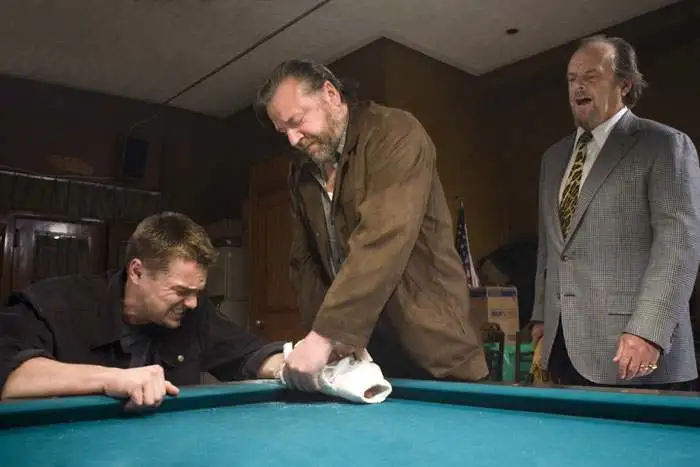
As the final act unfolds, everything unravels. Frank Costello (Jack Nicholson), Boston’s ruthless Irish mob boss, is killed, but not before spreading paranoia and chaos among both his crew and the police. His prized mole inside the force, Colin Sullivan (Matt Damon), believes he’s finally free.
But there’s a problem. Billy Costigan (Leonardo DiCaprio), the undercover cop who infiltrated Costello’s crew, has proof of Sullivan’s double life. For the first time, Billy glimpses a way out and provides evidence that not only clears his name but also exposes Sullivan as the rat he is.
The Rooftop Betrayal
Things come to a head on the rooftop. Billy arrests Sullivan, cuffs him and calls Trooper Brown (Anthony Anderson) for backup. For a brief moment, it feels like justice might just finally prevail.
Then Scorsese yanks the floor out from under us.
As the elevator doors open, Trooper Barrigan (James Badge Dale) shoots Billy in the head, an execution so sudden and brutal it knocks the wind out of the audience. In one heartbeat, the man we’ve rooted for is gone. Barrigan quickly kills Brown as well, silencing the only witnesses.
The Second Mole
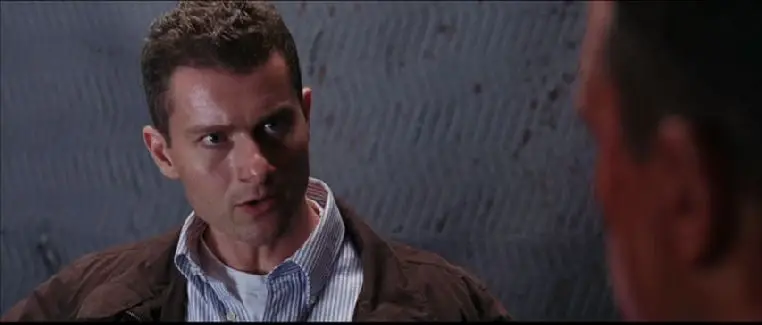
Then comes the real twist! It turns out that Barrigan wasn’t just a dirty cop, he was also a secret rat for Costello. Which goes to tell us that there wasn’t just one rat hiding inside the department.
Sullivan in a desperate attempt to protect himself, kills Barrigan and pins everything on him. With Billy and Brown dead, Sullivan emerges as the so-called hero who “eliminated the mole.” It’s a sickening inversion of justice: the real rat walks away with glory.
Also, read The Sixth Sense Ending Explained: Seeing What Wasn’t Said
A Funeral for the Wrong Man
The cruelest blow comes at Billy’s funeral. Sullivan, the ultimate snake in the grass, shows up and plays the part of the grieving hero. The guy who truly gave everything is in a coffin, while the traitor stands in uniform, collecting honors he doesn’t deserve. It’s the most twisted kind of victory and it makes your stomach churn.
Dignam’s Revenge
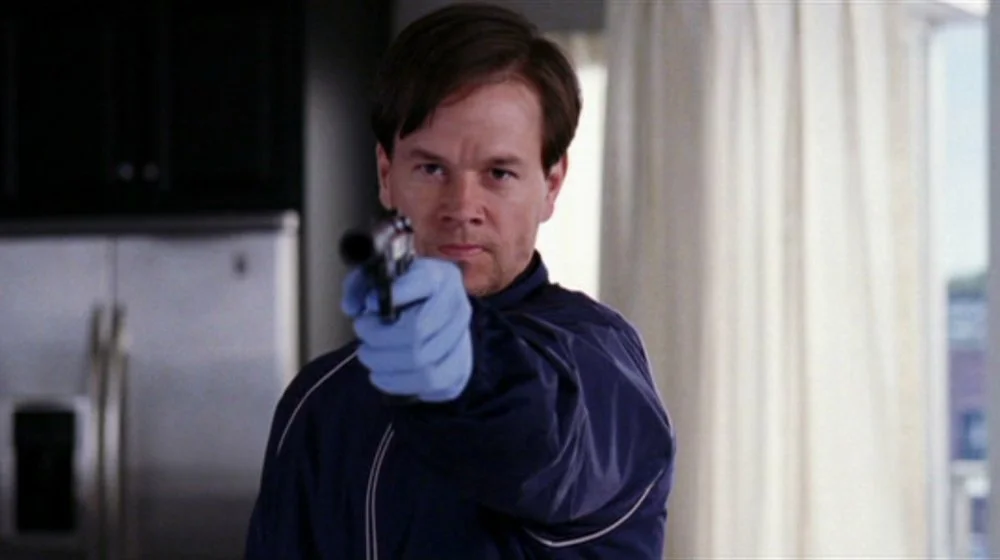
Sullivan walks into his apartment, believing he’s finally in the clear now, Costello is dead, Barrigan has been framed. All of this looks like he was the only bad guy. He steps into his luxury with a little weight off his shoulders, probably thinking he can finally get on with his life.
But Martin Scorsese isn’t done.
Waiting for him inside is Sergeant Dignam, wearing gloves and holding a gun. Without a word, he pulls the trigger. It’s quick, brutal and the only glimpse of real justice in the film. The justice doesn’t come from the official system, but from a man who simply refuses to let a traitor get away with it.
The last shot lingers on a rat crossing Sullivan’s balcony. It’s a heavy handed but unforgettable image that reminds us of the moral rot that had infested the entire story.
What The Departed Ending Really Means
Let’s discuss what the ending of The Departed means.
1. No One is Innocent
By the end, every major player is gone, Billy, Sullivan, Barrigan and Costello. The film’s point couldn’t be harsher, in a world built on betrayal, nobody gets out whole.
2. Justice Outside the System
Official channels fail spectacularly. Sullivan manipulates the system to come out clean, while Billy dies unrecognized. Balance is restored only through Dignam’s off-the-books justice.
3. The Rat as Symbol
The final image drives home the point. Even with Sullivan gone, corruption lingers like the rat on the balcony. You can kill one traitor, but the infestation never really ends.
4. Subverting Expectations
Instead of the usual cop-beats-criminal ending, Scorsese gives us tragedy soaked in cynicism. The undercover hero dies, the mole nearly wins, and justice comes only through violence.
Why The Departed Ending Resonates

The Departed ending is ruthless, cynical, and unforgettable. It unsettles because it withholds the closure we expect. Billy Costigan dies a hero no one recognizes and his sudden death feels unjust. Sullivan’s smug survival twists the knife. He almost gets away with everything, only to be taken down outside the system. Dignam’s final act provides catharsis. It’s brutal, chaotic and disturbingly real, crime here refuses to fit Hollywood’s clean arcs.
By closing with the rat, Scorsese leaves one last job, corruption isn’t erased, only contained. That’s why The Departed ending lingers. It doesn’t comfort, it actually unsettles. And in its brutality, it stands as one of modern cinema’s most unforgettable endings.
Frequently Asked Questions (FAQs)
1. Why did Sergeant Dignam kill Sullivan at the end of The Departed?
Dignam kills Sullivan because he knows the system won’t deliver justice. Sullivan framed Billy, manipulated the police, and nearly got away clean. Dignam, working outside official channels, makes sure Sullivan pays for his betrayal. It’s vigilante justice, but it’s the only justice the story allows.
2. What does the rat symbolize in The Departed ending shot?
The rat on Sullivan’s balcony is Scorsese’s not-so-subtle metaphor for corruption. It reminds us that even though Sullivan is dead, the city is still crawling with betrayal and rot. You can remove one traitor, but the corruption is bigger than any single person.
3. Is there any version of the story where Billy “wins”?
Not really. Billy gathers evidence and almost exposes Sullivan, but he dies before he can clear his name. The only small victory comes through Dignam’s revenge. The film’s power lies in denying a clean win no character gets true redemption, which is exactly why the ending hits so hard.