Netflix thrillers are just something else. They rarely whisper around with stories. They sprint, twist, and demand your attention. Run Away does something slightly different. It pulls you in slowly and then refuses to let go.
Based on Harlan Coben’s Run Away, the series begins with a simple, terrifying idea. A teenage daughter disappears, and her parents realise they never really knew her. What follows isn’t just a search, it’s an unravelling of secrets, of marriages, of carefully constructed lives.
The Run Away ending doesn’t offer comfort. It offers survival. And sometimes, that’s far more disturbing. Across eight episodes, the show blends addiction drama, cult paranoia, and family tragedy into something deeply unsettling. By the time the finale arrives, the mystery isn’t just where Paige went, but when her parents are willing to ignore once she’s found.
⚠️ Spoiler Alert: Major spoilers for Run Away ending ahead. Run away and come back in case you haven’t finished watching it.
The Story So Far: What Run Away is Really About
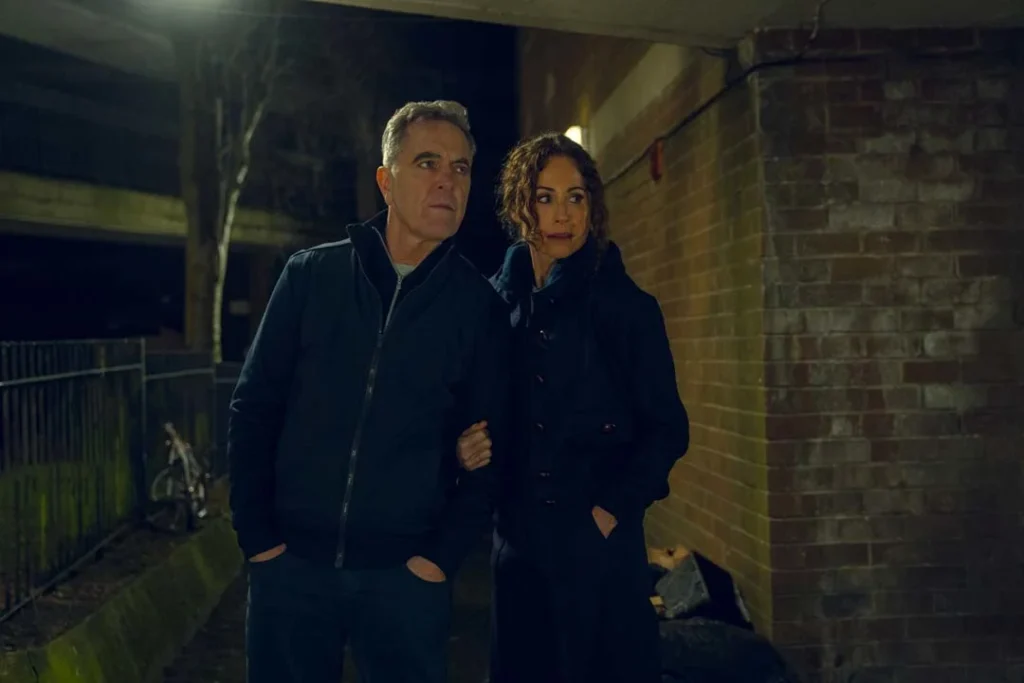
At its surface, Run Away follows Simon Greene and Ingrid Greene, parents searching for their runaway daughter Paige. But that’s just the hook of it.
Paige isn’t missing in the traditional sense. She’s drifting, addiction has pulled her away from her family, and a man named Aaron seems to have a hold over her. When Simon finds Paige bruised in Central Park and violently attacks Aaron, the moment goes viral. The internet gets involved, and worse, the wrong people notice.
This is where Harlan Coben’s Run Away shifts gears.
The show introduces a shadowy cult, Shining Haven, a group obsessed with “The One”, destined to expose lies and cleanse the world. Paige, Aaron, and several secondary characters all trace back to this group in disturbing ways.
Every episode peels back another layer, pushing the story toward a finale that is less about answers and more about choices.
Aaron’s Murder: The Moment Everything Breaks
Aaron is more than the man destroying Paige’s life. He is blood ties and erased truth. He is the child Ingrid was told was stillborn, the son removed from her life before it ever began.
Years earlier, Ingrid was trapped inside Shining Haven as a teenager and was groomed, controlled, and isolated. When she became pregnant, the cult told her the baby was stillborn. A lie delivered with calm certainty. The child wasn’t dead. He was taken, rehomed, and erased.
That baby grows up to be Aaron.
The revelation lands like a fracture running through the entire story. And it gets worse. When Paige finally admits the abuse, Ingrid doesn’t hesitate. There is no scream. No breakdown, just action where she shoots Aaron herself.
The choice is raw, maternal, and terrifyingly permanent. From that moment on, the Run Away ending is no longer about cults or criminals. It becomes something far more unsettling. The real danger was never outside the family walls.
It was already living inside them.
Ingrid Greene: Victim, Protector, or Monster?

Ingrid is one of the most complex characters in Harlan Coben’s Run Away. She is a survivor of cult grooming. A mother who loves fiercely and a woman capable of killing her own son without hesitation when she believes her daughter is in danger.
What makes the ending of Run Away so unsettling is that Ingrid never fully confronts the truth of what she’s done. She rationalises and keeps moving.
Later, she even shoots herself to stage an attack, framing Rocco and muddying the investigation further. This is a strategy, not panic.
By the finale, Ingrid is technically safe. Untouched by law enforcement and untouched by consequence.
Emotionally, though, she is standing on a fault line.
Also, read The Crystal Cuckoo Ending Explained: Secrets, Heartbeats & the Long Shadow of Truth
Paige’s Silence and Survival
Paige is often treated like a mystery to solve rather than a person processing trauma. The show resists that framing in its final act. Now, Paige knows everything. She knows Aaron was abusive, Ingrid killed him, and Simon suspects the truth.
And yet, Paige says nothing.
The Run Away ending hinges on this silence. Paige chooses recovery and stability. She chooses not to detonate her family, even if it means living beside a lie.
This isn’t weakness, it’s exhaustion. Addiction stories rarely end with triumph. Run Away understands that survival sometimes looks like compromise. Paige goes to rehab, stays clean, and builds her future quietly.
In a show that is obsessed with running, Paige is the only one who actually stops.
Simon’s Final Choice Explained
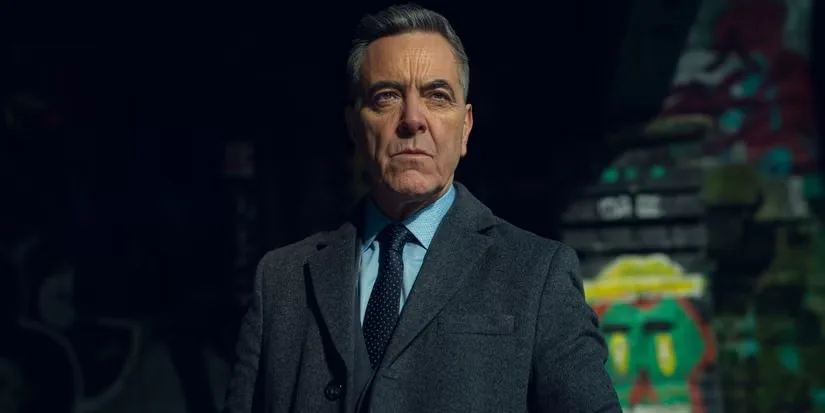
Simon Greene begins Run Away as a man chasing the truth at any cost. By the time we reach the Run Away ending, he becomes something else entirely.
Simon kills Dee Dee and Ash, cult enforcers tied to Shining Haven, during a brutal confrontation. He helps dismantle more than the truth about Aaron. The cult files, timelines, and the lies Ingrid has been carrying for decades.
He knows, and then he does the most controversial thing in the series. He chooses not to expose Ingrid. He clears the external threads. But inside his own home, he lies.
The Run Away ending is not about justice; it’s about containment. Simon decides that keeping his family intact matters more than the truth. That choice divides viewers more than any twist.
The Cult’s Collapse and Lingering Shadow
Shining Haven does not explode in flames; it erodes. Police raids dismantle parts of it. “The One” is arrested, all files are seized, but the show is careful not to suggest total destruction. And that matters.
In Harlan Coben’s Run Away, cults are not the monsters under the bed; they are systems, and they leave scars. Survivors carry them long after the group itself disappears.
Run Away ending implies the cult is now weakened and that the threat never really fully goes away.
Also, read Devil in Ohio Ending Explained: Roses, Sacrifices and One Chilling Twist
What The Run Away Ending Really Means

The Run Away ending divides viewers because it refuses easy judgment. There is no clear justice. Ingrid is never punished, and Simon chooses silence. Paige carries the truth and keeps going.
If you expect villains to fall and heroes to rise, then this ending feels unsatisfying. But if you accept that families often survive by hiding the hardest truths, it lands with uncomfortable honesty.
At its core, Harlan Coben’s Run Away is about parental blind spots. Love exists, but it doesn’t guarantee courage or clarity. The series suggests something unsettling. It suggests that sometimes families don’t run from danger; they run from truth, and sometimes, that choice is what keeps them alive.
Frequently Asked Questions
1. Did Ingrid know Aaron was her son before killing him?
No. She realises the truth only after the act, making the moment even more tragic.
2. Why doesn’t Paige expose her mother?
Because she prioritises recovery and stability over justice. Speaking the truth would destroy what little peace she has.
3. Is the cult fully destroyed in the Run Away ending?
No. Its leadership is damaged, but the series suggests its influence lingers.
4. Will there be a Season 2 of Harlan Coben’s Run Away?
Nothing is confirmed as of now. The ending leaves room, but also works as a closed, unsettling conclusion.