Some series finales attempt to wrap up seven seasons of war, moral chaos, impossible choices, nuclear meltdowns, cannibal clans, and apocalyptic space cults and somehow land the plane. The 100 ending does exactly that, but not in the way anyone expected.
Instead of a final bloody battle, the show trades bullets for philosophy. The “Last War” isn’t at all. It’s a test, a cosmic exam, more like a spiritual escape room designed by beings who look like your dead friends and judge your entire species based on your last-minute choices. The 100 energy is confusing, emotional, and weirdly poetic.
This article breaks down The 100 ending with clarity, drama, and the right amount of unhinged energy that the show itself thrived on. You’ll find the final twist explained, the choices that saved humanity, and the heartbreaking reason Clarke ends up alone when the dust settles.
The Climax: The Test of Transcendence

The 100 ending turns the concept of war inside out. Bill Cadogan marches into the finale ready for a holy battle, prepared to win the “Last War” and earn cosmic salvation like he’s collecting frequent flyer miles. Instead, he steps into a glowing chamber and meets an alien judge who looks exactly like the people you’ve grieved for six seasons.
Because in The 100 ending, the final hurdle isn’t a war. It’s a test. A moral examination of whether humanity deserves to evolve or to go extinct. And this test is not multiple choice; you either transcend, or you die.
The Judge Appears: Humanity’s Ultimate Reviewer
This ascended alien being, known as The Judge, appears to each character in a familiar form: Lexa for Clarke, Callie Cadogan for Bill. It isn’t sentimental. It’s strategic. The Judge uses recognizable faces to make every moral question hit harder.
Cadogan steps up first. He answers with arrogance, entitlement, and a fundamental misunderstanding of, well, everything. Within seconds, he fails. The final war he prepared for never existed, because violence was never the answer. His ego collapses faster than Sanctum politics.
And then Clarke walks in, furious, grieving, and fresh off shooting Cadogan in the head for what he did to Madi. The Judge observes Clarke’s action and comes to a brutal conclusion that humanity is unworthy. Clarke’s violent impulse becomes the metaphorical nail in the coffin.
Humanity fails the test. The 100 ending is basically saying to us, “Congratulations, you’ve been terrible. No transcendence for you.”
Raven Reyes: The Woman Who Rewrites Humanity’s Fate
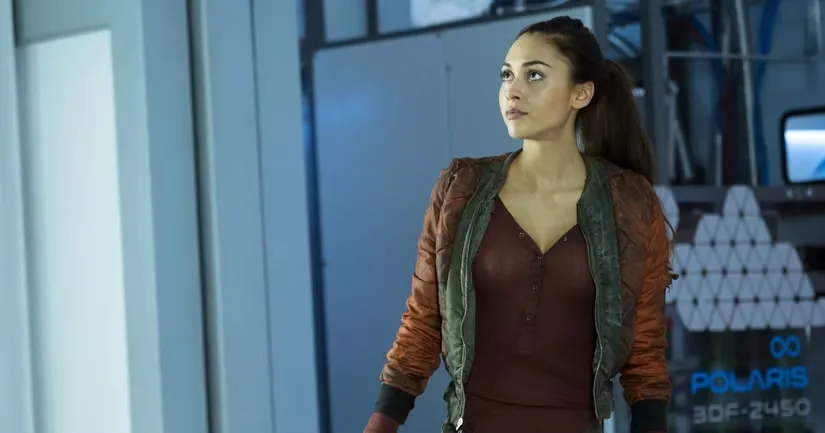
When Clarke loses hope, Raven steps in. She doesn’t bring weapons. She brings in honesty.
Raven argues that despite humanity’s endless cycle of violence, the survivors have changed. They’ve chosen peace. They’ve chosen a connection. They’ve chosen each other. And the Judge watches as Octavia stands before two armies and convinces them to stop fighting.
If Octavia Blake can end a war peacefully, humanity deserves at least a participation trophy.
Raven’s plea works. The Judge gives humanity another chance. And this time, humanity passes.
Also, read Foundation Season 3 Ending Explained: The Galaxy Burns, The Mind Bends, The Robots Awaken
The 100 Ending: Humanity’s Big Glow-Up
The Judge opens the cosmic doors. Light floods the screen. And suddenly, everyone on Sanctum on Earth 2.0, on Bardo, transcends. They dissolve into shimmering particles and join the collective consciousness of an enlightened alien species.
Think spiritual Wi-Fi but with better range.
Who Transcends? Pretty much everyone except Clarke. Octavia, Raven, Echo, Murphy & Emori (who share one soul at this point because, emotions), Levitt, Gaia, Indra, and yes, Madi, who finally finds peace after a lifetime of trauma.
It’s beautiful, hopeful, and it’s the closest thing this show has ever given us to a happy ending.
But Clarke Griffin? Clarke is denied transcendence.
Clarke Griffin: The Last Girl on Earth (Again)
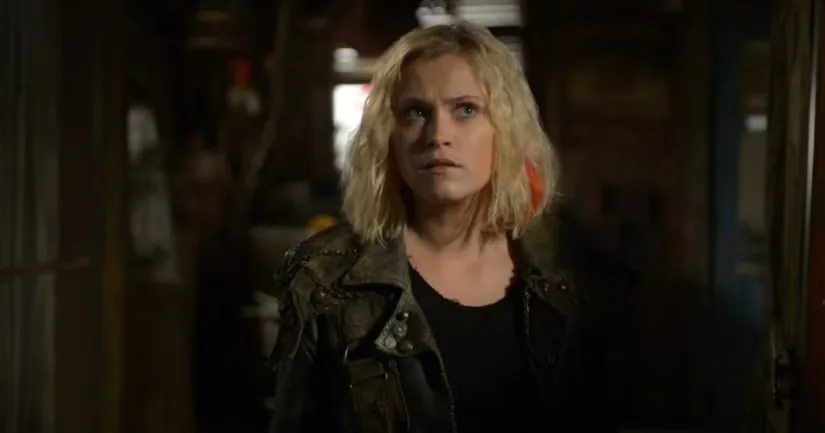
Because Clarke killed Cadogan mid-Test, she is deemed unworthy. The Judge tells her that transcendence is off the table, forever.
Clarke must live out the rest of her life alone, on a newly restored Earth. No war, no trauma, no people. Just silence.
For the girl who has carried humanity on her back since episode one, loneliness is the harshest punishment imaginable. The 100 ending gives Clarke peace but not companionship. It gives her salvation, but not connection.
She is the shepherd of a world that no longer needs shepherding.
The Final Choice: Love Over Eternity
In one unexpected moment of compassion, the judge offers humanity a final decision: remain within the transcendent collective, which is eternal, peaceful, and limitless, or return to Earth as ordinary humans, unable to ever transcend again, simply to stand beside Clarke as she lives out her remaining days.
And every member of Clarke’s chosen family, the same delinquents who once fought, bled, and sacrificed for survival, chooses the mortal path. Octavia, Raven, Murphy, Emori, Echo, Niylah, and Levitt all give up immortality not to rebuild civilization, not to lead or wage another war, but to share whatever time remains with Clarke.
They return to earth knowing the human race ends with them, yet choosing love and loyalty over forever. Their final choice isn’t about saving the world; it’s about saving each other.
The 100 Ending: What It Really Means
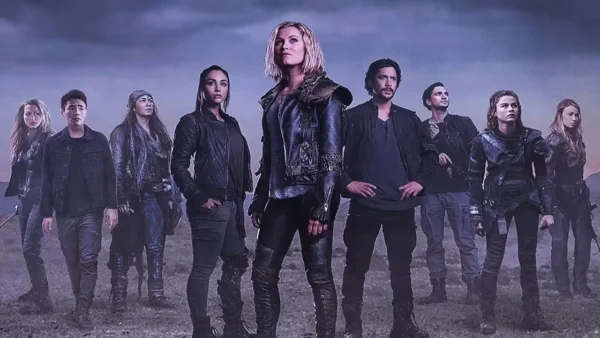
The final moments aren’t about transcendence. They’re about choice.
Humanity isn’t saved by power, or war, or sacrifice. Humanity is saved by connection.
Clarke doesn’t get transcendence. She gets something more meaningful, people who choose her over eternity. The rest don’t get to rebuild society. They get to rest.
As the group gathers on a quiet beach, the show ends not with war cries but with stillness. Peace, friendship, a bittersweet, quiet happiness, the characters never got in seven seasons.
The 100 ending tells us that humanity’s evolution isn’t glowing alien bodies. It’s choosing kindness after a lifetime of pain.
Also, read Stranger Things Ending Explained: Was It Just a Game?
Final Thoughts on The 100 Ending
The 100 ending isn’t about transcendence, aliens, or cosmic judgment. It’s about choice, forgiveness, and the messy, beautiful desire to connect, even after the world ends again and again.
It gives us a finale that’s both tragic and hopeful, isolating and intimate. Humanity evolves, but not through alien light beams. It evolves through love, the one resource the character always had, even when they forgot about it.
In the end, the human race doesn’t survive.
But the human spirit does.
Frequently Asked Questions
1. Why didn’t Clarke transcend in The 100 ending?
Clarke committed murder during the Test of Transcendence, acting out of rage and vengeance. The Judge interpreted this as proof that Clarke had not evolved beyond violence. As transcendence requires moral clarity, Clarke was denied entry into the collective.
2. Why did the others return to Earth instead of staying transcended?
They chose Clarke. The 100 ending emphasizes that the surviving characters value relationships over immortality. They sacrifice infinite happiness for the finite, but meaningful, experience of living alongside Clarke.
3. Does humanity continue after The 100 ending?
No. The Judge explicitly states that humans who return cannot reproduce. This ensures the species ends naturally. The surviving group becomes the last humans alive, living out their days in peace.
4. Is the beach scene symbolic?
Yes. The beach represents the show’s final message: peace after chaos. It’s a quiet, natural space far removed from all the wars the characters endured. The original delinquents started on Earth in violence; they ended on Earth in serenity.