⚠️ This article contains major spoilers for 100 Meters ending.
Sports anime love clear victories. Everything looks right and almost the same. The stopwatch stops, the crowd erupts, and someone wins. 100 Meters throws that rule almost immediately.
Directed by Kenji Iwaisawa, 100 Meters (Hyakuemu) looks like a simple sprinting story on paper, but it runs on something far more intense than speed. It’s about rivalry that grows teeth, passion that curdles into obsession, and what happens when chasing greatness starts hurting more than it helps.
Following Togashi and Komiya across years of training, injuries, and mental breakdowns, the film turns a 100-meter dash into a battlefield of pride and fear. By the time the final race arrives, the tension isn’t about who finishes first. It’s about what winning even means anymore.
To understand why the ending of 100 Meters works the way it does, we need to unpack that final sprint carefully.
A Quick Recap: Togashi and Komiya’s Rivalry
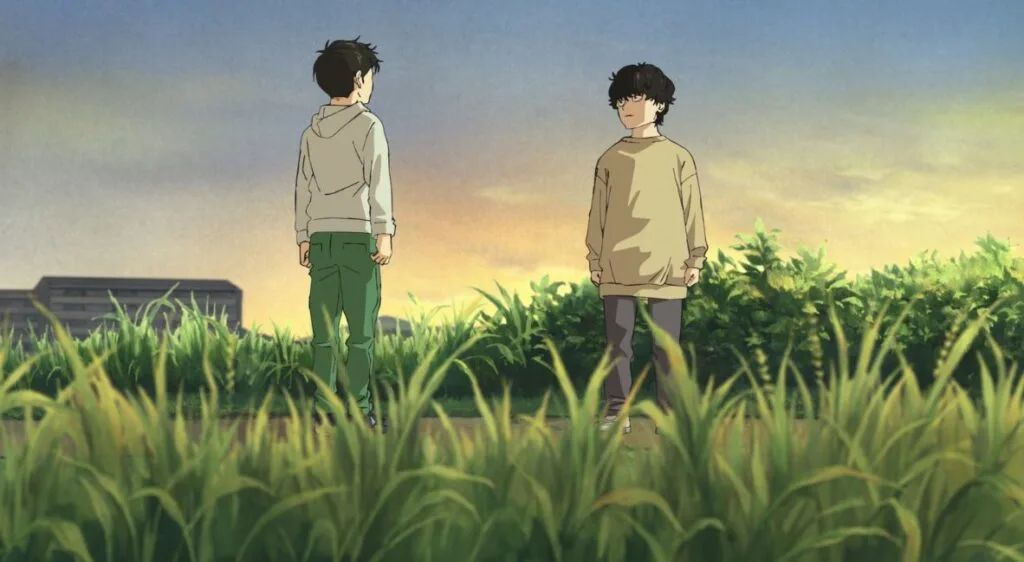
Togashi begins as the prodigy. He has natural speed and easy confidence. He’s the kind of runner people assume will always win.
Komiya starts on the other side of that shadow. He looks up to Togashi. Learns from him, chases him, and then, slowly, painfully starts beating him.
As the years pass, the roles blur. Komiyai’s victories don’t bring peace. Togashi’s losses eat away at his sense of self. Injuries pile up. Expectations grow heavier. Running stops being a game and starts feeling like survival.
This emotional baggage is what makes the 100 Meters anime ending so different from traditional sports finales.
The Final Race: What Actually Happens
The climax is the national championship 100-meter sprint.
Animation-wise, this sequence is stunning. Muscles flex, breath stutters, and heartbeats pound in your ears. Every step feels exaggerated and intimate at the same time. It’s less about speed and more about sensation.
Togashi runs while injured. Badly injured, every stride hurts. But he keeps going not for medals, not for rankings, but because this is the first time in years he’s running for himself.
Komiya, meanwhile, isn’t chasing Togashi anymore. He’s chasing a feeling. The need to prove he belongs, that he’s enough.
They hit the finish line together. And then, the screen turns black. No time, no winner, and no announcement.
That deliberate cut is the heart of the 100 Meters ending.
Why the Winner is Never Revealed
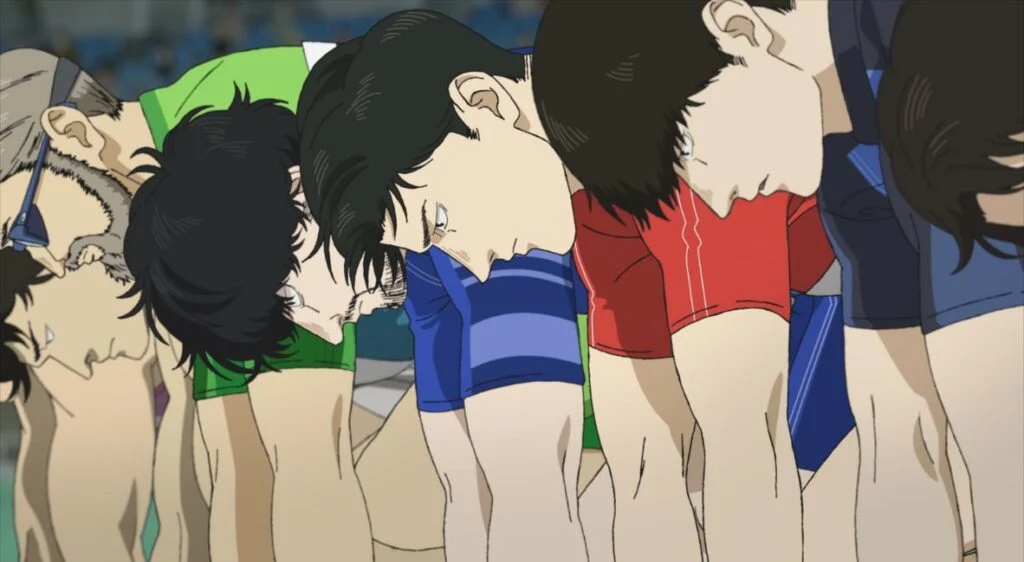
At first, the blackout feels frustrating. Almost unfair. But that discomfort is intentional.
100 Meters is not interested in crowns or records. The film spends two hours showing how chasing victory hollowed both runners out. Revealing a winner would undo its own message.
By refusing to name a winner, the 100 Meters ending shifts focus from outcome to release. What matters is not who won, but what they finally let go of.
For the first time, Togashi and Komiya are not defined by comparison. They smile genuinely without any bitterness.
That smile is the finish line.
Togashi’s Arc: Running Without a Name
Togashi’s journey is quietly heartbreaking. Being “the best” was never something he chose. It was assigned to him early, and everyone expected him to live inside that label forever. Losing shattered his identity. Injuries humiliated him. Every race became a reminder of what he used to be.
In the final sprint, Togashi accepts that he may never be that prodigy again. And that’s freeing.
The ending of 100 Meters shows Togashi rediscovering the simplest reason to run because he loves how it feels. Not because someone is watching. Not because he has to defend a reputation. That’s his real victory.
Komiya’s Arc: Letting Go of the Chase
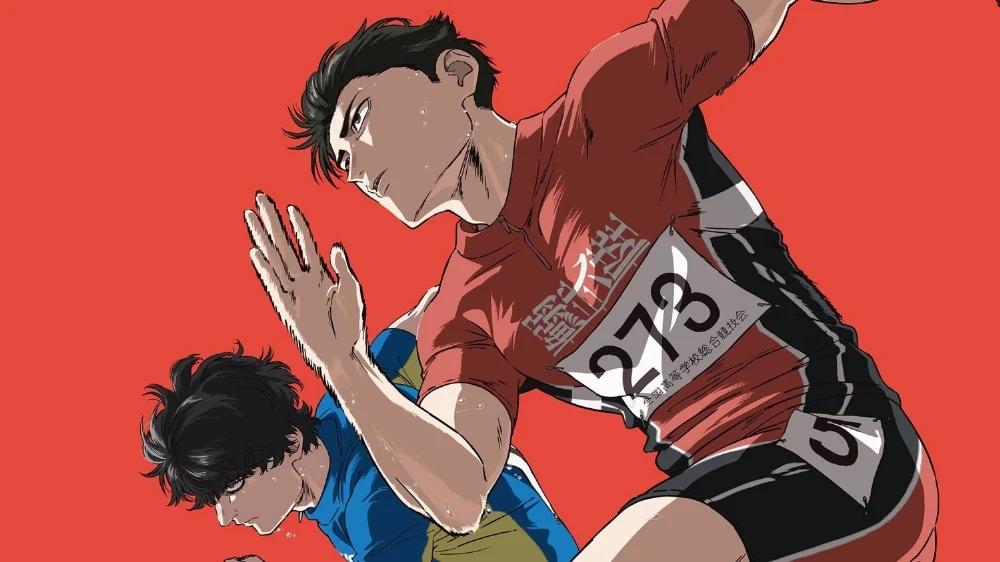
Komiya’s struggle is quite the opposite, though. He spent his entire life chasing Togashi; even when he started winning, he didn’t feel complete. Success only raised the bar. The fear of falling back never really left.
During the final race, Komiya isn’t desperate; he’s present.
The 100 Meters anime ending gives Komiya something rare in sports anime. It gives him contentment without domination. He doesn’t need Togashi to lose for him to feel whole. He just needs to finish.
What 100 Meters is Really Saying About Competition
Most sports anime celebrate obsession. 100 Meters actually tends to question it.
The film doesn’t deny the beauty of competition. But it exposes the cost, burnout, and the self-worth that is tied to numbers. Joy is replaced by pressure.
By ending in ambiguity, 100 Meters makes a bold statement that fulfillment doesn’t come from winning. It comes from reclaiming your relationship with the thing you love.
Running isn’t the enemy here, but the expectations are!
Final Thoughts on The 100 Meters Ending
The ending of 100 Meters is not about who crosses first. It’s about who stops running for themselves.
Togashi runs injured and smiling, while Komiya runs without fear. The race ends, but the rivalry dissolves. Not because someone lost, but because neither of them needs to win anymore.
That final blackout isn’t empty, it’s full. Full of relief, full of acceptance, and full of the simple joy that started this journey in the first place.
It gives its characters peace. And that’s a finish line worth respecting.
More Endings Worth Decoding
- Death Note Ending Explained: Warehouse Showdowns, Shinigami Shenanigans, and One Very Doomed Genius
- Cosmic Princess Kaguya Ending Explained: When Love, Music, and Time Rewrite Destiny
- Gantz: 0 Ending Explained | Is Kato Trapped in an Endless Game of Death and Resurrection?
Frequently Asked Questions
1. Who wins the final race in 100 Meters Anime?
The film never reveals a winner. The ambiguity is intentional and central to the theme.
2. Why does the screen cut to black at the finish line?
To shift focus from results to emotional resolution. The race matters less than what it represents.
3. Is the 100 Meters anime ending hopeful or sad?
It’s quietly hopeful. Both runners find peace, even without a clear victory.
4. What is the main message of 100 Meters?
That passion should not be consumed by obsession, and that joy matters more than trophies.